Your HVAC system is crucial for maintaining a comfortable living environment. However, like any complex mechanical system, it can experience issues that require timely repairs. At Poway Heating & Air Conditioning, we specialize in HVAC repair services in Poway and the surrounding San Diego area. Our expert technicians are always ready to diagnose and fix your heating and cooling problems with precision.
In this article, we’ll discuss the common signs that indicate your HVAC system may need repair and why addressing issues early can save you time, money, and discomfort.
1. Unusual Noises Coming From Your HVAC System
One of the first signs that your HVAC system may need repair is the presence of unusual sounds. These noises can indicate underlying issues that need attention. Here are some common sounds and what they might mean:
Rattling or Clanking Sounds
If you hear rattling or clanking sounds coming from your unit, it could be a sign of a loose or broken part. This could be anything from a loose fan blade to an issue with the compressor or motor.
Hissing or Whistling Noises
Hissing or whistling sounds may indicate a refrigerant leak or airflow issues. Low refrigerant can cause the system to overwork, reducing efficiency and causing potential long-term damage if not addressed.
Grinding or Screeching Sounds
Grinding or screeching noises often signal worn-out bearings, belts, or motors. These parts need immediate attention to prevent further damage and to avoid costly repairs down the line.
If you’re hearing strange sounds from your HVAC system, it’s time to contact a professional HVAC technician to diagnose and resolve the issue.
2. Inconsistent Airflow or Poor Air Quality
Another common sign that your HVAC system might need repair is poor airflow or inconsistent heating/cooling. If certain rooms in your house are colder or warmer than others, or if your system isn’t producing enough air, it could be due to one of several issues:
Blocked Ducts or Vents
Clogged or blocked ducts can significantly reduce airflow. Dust and debris can accumulate in ducts, causing airflow issues and reducing the efficiency of your HVAC system.
Dirty Air Filters
Dirty or clogged air filters can restrict airflow, making it harder for your HVAC system to circulate air properly. Replacing your filters regularly is essential to maintaining optimal airflow and air quality.
Low Air Pressure
Low air pressure coming from your vents can be a sign of a malfunctioning blower fan or duct leaks. These issues should be addressed as soon as possible to prevent further damage to your HVAC system.
3. Increase in Energy Bills
If your energy bills have suddenly spiked without an increase in usage, your HVAC system may not be operating efficiently. There are several reasons why your HVAC system might be consuming more energy than usual:
Dirty or Faulty Components
A dirty air filter, condenser coil, or evaporator coil can cause the system to work harder to cool or heat your home, leading to increased energy consumption.
Refrigerant Issues
Low refrigerant levels can make your HVAC system work overtime to maintain the desired temperature, which results in higher energy bills.
Malfunctioning Thermostat
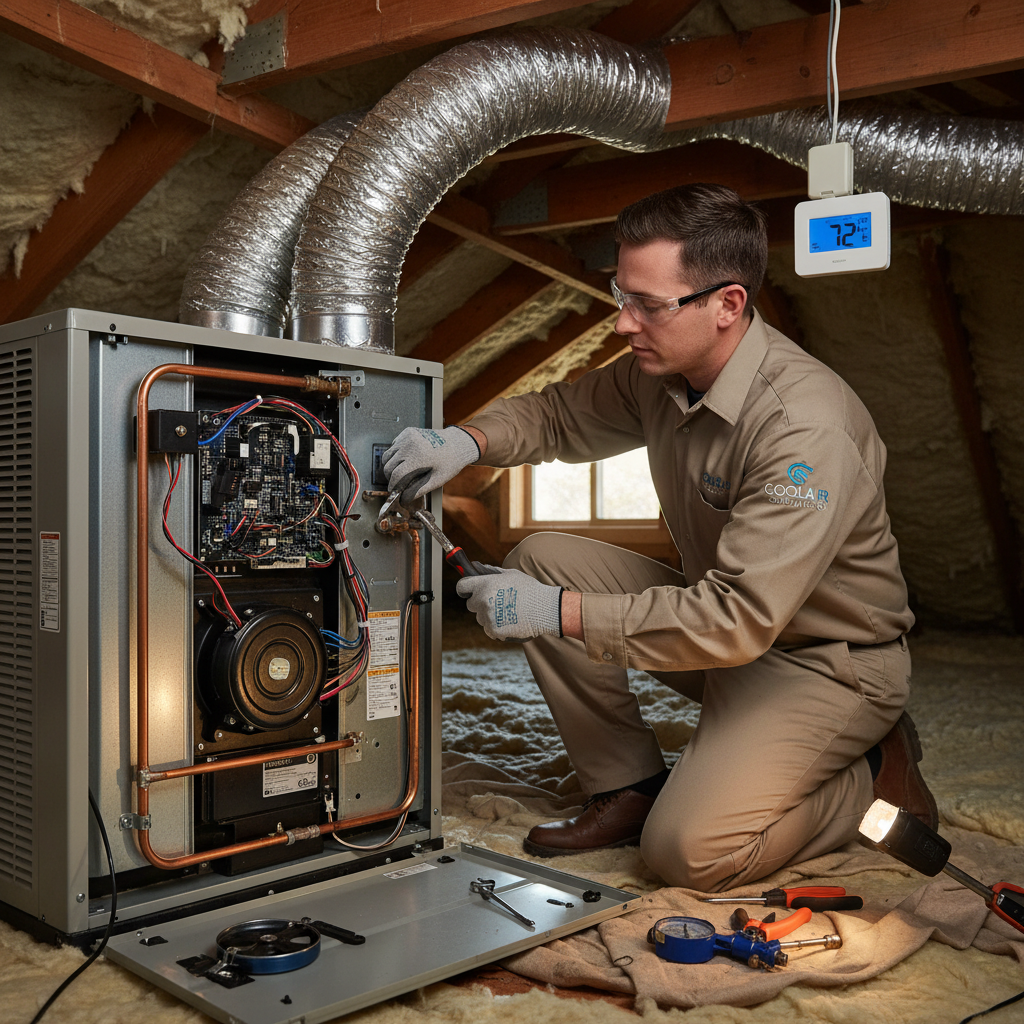
If your thermostat is malfunctioning, it could cause your HVAC system to run longer than necessary, leading to increased energy usage.
Having your HVAC system inspected and repaired regularly can prevent sudden increases in energy costs and help maintain system efficiency.
4. The HVAC System Is Blowing Warm or Cold Air When It Shouldn’t
If your HVAC system is blowing warm air when you expect cool air or vice versa, there could be several causes for this:
Refrigerant Leaks
As mentioned earlier, low refrigerant levels can cause your AC system to blow warm air instead of cool air. Similarly, if your heating system is blowing cold air, it could be due to a refrigerant issue or malfunctioning components within the furnace.
Thermostat Problems
A faulty thermostat may not accurately gauge the temperature in your home, causing the system to blow air that doesn’t match the desired settings.
Faulty Heating Elements
If your heating system is blowing cold air, there may be an issue with the heating elements or a problem in the furnace that needs immediate attention.
Regardless of the cause, if your system is blowing air at the wrong temperature, it’s important to have it checked by a professional HVAC technician.
5. Frequent Cycling or Short Cycling
When your HVAC system is constantly turning on and off, this is known as short cycling. While some cycling is normal, excessive cycling can be a sign that something is wrong. Common reasons for short cycling include:
Oversized HVAC Unit
If your HVAC unit is too large for your home, it will reach the desired temperature too quickly and then shut off. This constant on-and-off operation can cause wear and tear on the system.
Dirty Air Filters
Clogged air filters can block airflow, causing the system to overheat and shut off prematurely.
Faulty Thermostat or Sensors
If your thermostat or internal sensors are malfunctioning, they might not be accurately reading the room’s temperature, causing the system to cycle too frequently.
Short cycling is not only annoying but can also shorten the lifespan of your HVAC system. It’s best to have it repaired quickly to avoid more serious damage.
6. Water Leaks Around the HVAC Unit
Water leaks around your HVAC system are a serious issue that should not be ignored. Water pooling near the unit can result from several potential causes:
Blocked Condensate Drain
The condensate drain is responsible for removing excess moisture from the system. If the drain becomes clogged, water can back up and leak from the unit.
Refrigerant Leaks
Leaking refrigerant can cause the system to freeze, and once it melts, it can produce excess water that causes leaks.
Broken Coils
If the evaporator coils are damaged or dirty, they can cause the system to freeze, leading to leaks once the ice melts.
Water leaks can cause significant damage to your home and your HVAC system if left unresolved. If you notice any water around your HVAC unit, it’s crucial to call an expert immediately.
7. Why Choose Poway Heating & Air Conditioning for Your HVAC Repairs?
At Poway Heating & Air Conditioning, we are committed to providing top-tier HVAC repair services to homeowners in Poway and San Diego. Our certified technicians are experienced in diagnosing and repairing all types of HVAC issues, from minor repairs to major system failures.
Why choose us?
- Expert Technicians: Our team is fully certified and trained to handle all HVAC repairs with precision.
- Transparent Pricing: We offer upfront pricing with no hidden fees.
- 24/7 Emergency Services: We’re available around the clock to assist with HVAC emergencies.
- Satisfaction Guaranteed: We stand behind the quality of our work, ensuring complete customer satisfaction.
FAQs About HVAC Repairs
1. What are the warning signs of HVAC problems?
Common signs of HVAC problems include unusual noises, poor airflow, inconsistent temperatures, high energy bills, and water leaks around the unit.
2. How can I tell if my HVAC needs repair?
If your HVAC system is making strange noises, blowing the wrong temperature air, or if it’s not working at all, it likely needs repair.
3. How much do HVAC repairs typically cost?
The cost of HVAC repairs depends on the issue at hand. Simple repairs like replacing a filter may cost less, while more complex issues like refrigerant leaks can be more expensive.
4. Should I repair or replace my HVAC system?
If your system is frequently breaking down and repairs are becoming expensive, it may be time to replace the system. A professional technician can help you determine the best option.
5. How long do HVAC repairs take?
The duration of an HVAC repair depends on the complexity of the issue. Simple repairs may take a few hours, while more complicated problems can take a day or more to resolve.
Recent Comments